
Robotics in Everyday Life: Integrating Technology into Daily Activities
Robotics are becoming an integral part of everyday life, seamlessly blending technology with daily routines. From smart homes equipped with automated systems to personal assistants that manage tasks, robotics enhances convenience and efficiency in various aspects of living. This shift not only simplifies chores but also opens avenues for innovative solutions in home automation.
Many households now feature devices like robotic vacuum cleaners and smart thermostats that adapt to individual preferences. These technologies provide not only comfort but also energy savings, contributing to an eco-friendlier lifestyle. As society progresses, the influence of robotics is set to expand, making life even easier.
The incorporation of robotics in daily tasks helps people reclaim valuable time that can be spent on more fulfilling activities. By embracing these advancements, individuals can experience a smarter way of living that reflects the future of home automation.
The Role of Robotics in Daily Living
Robotics increasingly contributes to various aspects of daily life, enhancing convenience and improving quality of life. From household tasks to healthcare and educational support, these technologies are becoming integral to modern living.
Household Robotics
Household robots have transformed routine chores, making them easier and more efficient. Devices like the Roomba exemplify how robotic vacuum cleaners operate autonomously, navigating spaces to eliminate dust and debris. These appliances not only save time but also maintain cleanliness consistently.
Other household robots include lawnmowers, window cleaners, and kitchen assistants. These machines perform their designated tasks with minimal human intervention. As technology advances, robots are becoming smarter, learning user preferences and adapting to unique household layouts.
Healthcare and Rehabilitation
In the medical field, robots play a vital role in surgery and patient care. The da Vinci Surgical System allows surgeons to perform minimally invasive procedures with precision, resulting in quicker recovery times. Robotic systems enhance the accuracy of operations, reducing the risk of complications.
Exoskeletons are another significant development in rehabilitation. These wearable robots assist individuals with mobility impairments, providing support for movement and enhancing rehabilitation efforts. Medical robots also facilitate medication delivery and help monitor patient conditions, increasing efficiency in healthcare settings.
Education and Learning
Educational robots are gaining traction in classrooms and at home. They are designed to engage students through interactive learning experiences, enhancing their understanding of complex subjects. Robots such as coding kits and programmable devices promote creativity and technical skills.
Robotic companions offer social interaction, which can be particularly beneficial for children and elderly individuals. These robots can assist with learning by providing personalised feedback and support. By integrating robotics into education, learners can develop valuable skills for future job markets.
Improving Quality of Life Through Robotics
Robotics is significantly enhancing the quality of life across various domains. Innovations in safety, support for vulnerable populations, and new forms of entertainment are at the forefront of these advancements.
Enhanced Safety and Security
Safety robots and surveillance systems play a vital role in maintaining secure environments. Robotic security devices can patrol premises, detect unusual activity, and alert authorities.
These robots often integrate sensors and cameras, providing real-time data for monitoring. They help reduce the burden on human security personnel, enabling them to focus on critical tasks.
Benefits include:
- Continuous surveillance
- Immediate response to incidents
- Data collection for risk assessment
Implementing such innovations increases public safety, especially in crowded or high-risk areas.
Assisting the Elderly and Disabled
Robots designed for elderly care can improve independence and enhance daily living. They assist with activities like medication reminders, mobility support, and companionship.
These robots often feature user-friendly interfaces, making them easy to operate. They can monitor health metrics and alert caregivers in case of emergencies, thereby reducing risks.
Key features often include:
- Voice activation for hands-free use
- Alerts for potential falls
- Personalised interaction
By addressing specific needs, these robots empower elderly and disabled individuals to maintain their dignity and autonomy.
Automated Entertainment and Leisure
Entertainment robots are transforming how people engage during leisure time. These robots can provide personalised experiences, from interactive gaming to virtual companionship.
Types of entertainment robots include:
- Robotic pets that offer companionship without the responsibilities of live animals.
- Educational robots that promote learning through play.
These innovations offer mental stimulation and social interaction, contributing positively to overall well-being. As leisure activities increasingly merge with technology, robotics enriches everyday life.
Robotics in Industry and Service Sectors
Robotics plays a crucial role in enhancing productivity and efficiency across various industries and service sectors. The integration of robots in these fields not only streamlines operations but also introduces innovative solutions to traditional challenges.
Industrial Automation and Cobots
Industrial automation leverages advanced robotics to optimise manufacturing processes. Companies implement productivity robots to perform repetitive tasks such as assembly, welding, and painting. These robots significantly improve precision and speed, reducing human error.
Many of these automated systems rely on computer numerical control, or CNC, technology to guide their movements. When these complex machines experience issues, finding the right replacement parts is necessary to prevent long delays. Working with experienced Fanuc Specialists helps factory managers source the correct components quickly. These experts have the diagnostic tools and inventory needed to test and repair faulty parts. This support keeps production lines moving and reduces the cost of unexpected equipment failures.
For example, all mass-manufacturing factories tend to utilise a flat wire belt system or other such conveyor belt systems to increase operational efficiency by streamlining the transportation of components throughout the production process. If coupled with robotic systems, the sorting, assembly, and packaging processes have the potential to be completely automated.
While indoor manufacturing relies on fixed conveyor setups, outdoor industrial and construction sites require more flexible solutions. Heavy material handling on these active job sites often depends on mobile machinery to transport bulk materials quickly. Portable systems like those from Stout Conveyors allow workers to move dirt and gravel across uneven terrain without relying on manual labor. These towable units can be positioned exactly where they are needed. This mobility helps speed up the overall workflow. Integrating this type of mobile technology reduces physical strain on workers and keeps projects on schedule.
Collaborative robots (cobots) are employed alongside human workers, enhancing safety and efficiency. Cobots are designed to work in close proximity to humans without the need for safety cages, allowing for a seamless workflow. Their versatility enables adaptation to various tasks, making them valuable assets in diverse industrial settings.
Service Robots in Healthcare and Logistics
Service robots have transformed sectors like healthcare and logistics. In healthcare, robots assist with surgeries, offering enhanced precision. Telepresence robots also enable doctors to consult with patients remotely, improving accessibility.
In logistics, delivery robots automate the transportation of goods. They operate efficiently in warehouses, managing inventory and order fulfilment. By utilising these robots, businesses can reduce operational costs and enhance service delivery.
Innovation in Agriculture and Space Exploration
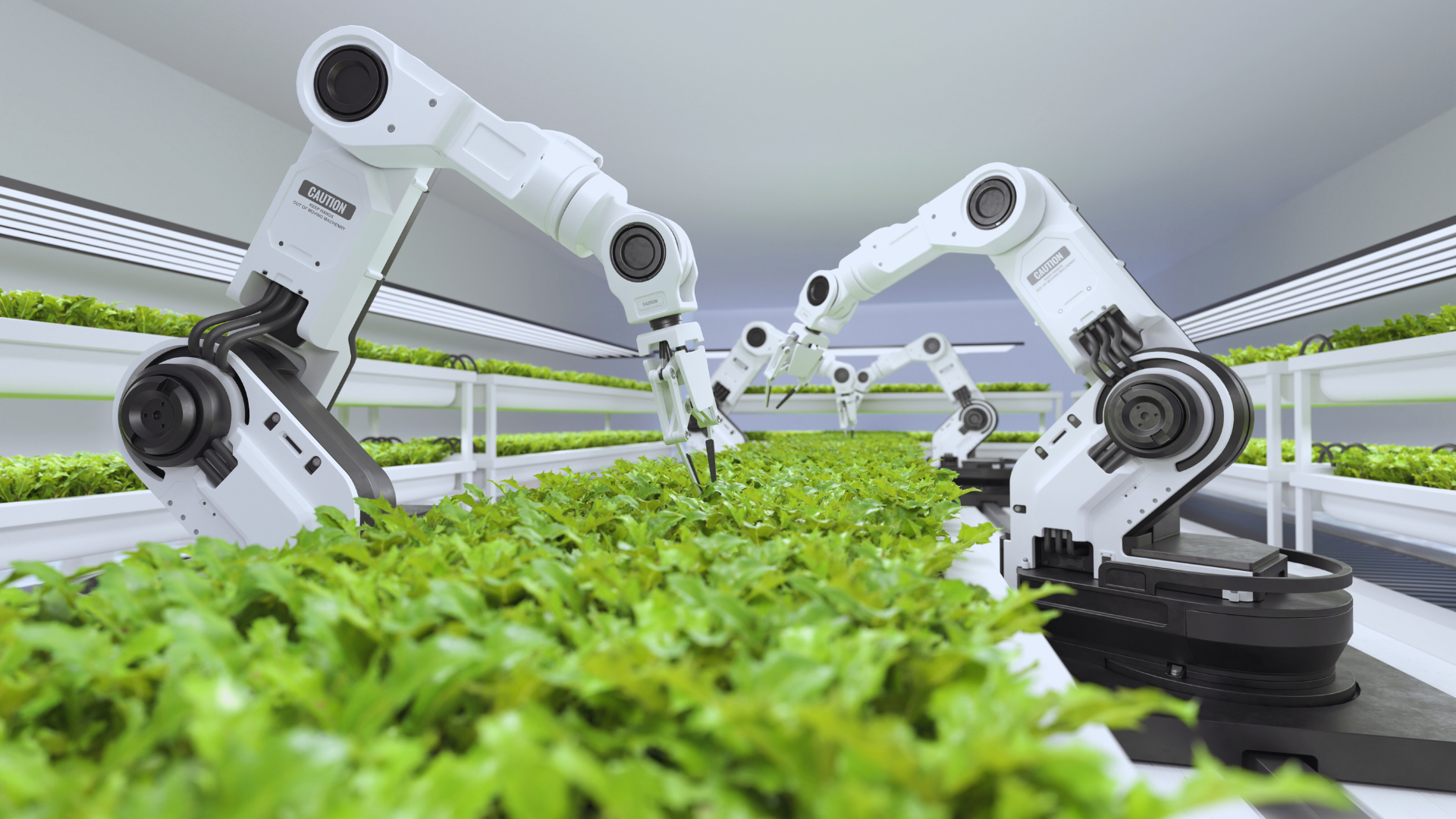
Agricultural robots are revolutionising farming practices. Equipped with sensors and AI, these agricultural robots can perform tasks such as planting, harvesting, and monitoring crops. This technology not only increases yield but also minimises waste through precise resource management.
In space exploration, robots like rovers conduct research in environments that are inhospitable to humans. They gather data on terrain and climate, providing vital information for future missions. These innovations highlight the growing importance of robotics in tackling complex challenges across different domains.
Advancing Technology and Future Prospects
Technological advancements in robotics are reshaping daily life, driven primarily by developments in artificial intelligence and machine learning. As these fields evolve, they enable a range of emerging applications, necessitating careful attention to regulation and ethical considerations.
Artificial Intelligence and Machine Learning
Artificial intelligence and machine learning are at the heart of modern robotics. These technologies enhance robotic capabilities, allowing machines to learn from data and adapt to new situations. For instance, self-driving cars utilise AI to interpret sensory data and make real-time decisions based on their environment.
Machine learning algorithms improve the efficiency of automation processes in various sectors, such as manufacturing and logistics. This advancement leads to increased productivity and reduced human error. Moreover, personalised robotic assistants are becoming more common in households as they learn user preferences and improve interactions over time.
Emerging Applications of Robotics
The applications of robotics are expanding rapidly across multiple industries. Delivery drones represent one of the most intriguing developments; they streamline logistics by transporting goods quickly and efficiently. Many companies are exploring the potential of these drones to enhance last-mile delivery services.
Other sectors, such as healthcare, are leveraging robotics for surgical procedures, allowing for greater precision and less invasive techniques. Surveillance is another critical application, with robots helping monitor and secure public spaces. As technology progresses, new applications are likely to emerge, driven by innovation and market demands.
The Significance of Regulation and Ethics
As robotics technology advances, regulation and ethics become paramount. Policymakers face the challenge of creating frameworks that ensure the safe integration of robots in society. Issues such as data privacy, especially in surveillance applications, require careful consideration to protect citizens’ rights.
Ethical considerations also come into play regarding employment, as automation may displace certain jobs. Balancing technological advancement with social responsibility is crucial. Stakeholders must collaborate to establish guidelines that promote innovation while safeguarding public interests and trust.